Cast Iron vs. Nonstick: Which Skillet Fits the Way You Cook
Cast iron sears and lasts for decades. Nonstick makes eggs and fish easy. Here is how each skillet behaves, what care it needs and which one suits your cooking.
Saffron CrustEP-101
We may earn a commission if you buy through links in this guide. How we make money
Lodge 10.25-inch cast iron skillet
A low-cost, pre-seasoned skillet that sears well and can last for generations with basic care.
Cast iron and nonstick skillets do different things well. Cast iron holds heat, builds a crust on steak and goes from stovetop to oven without a thought. Nonstick lets eggs slide out and cleans up in seconds. Most kitchens end up wanting one of each, but if you only buy one, the choice comes down to what you cook most.
Here is how they compare, with care notes and some well-known examples.
Side by side
| Cast iron | Nonstick | |
|---|---|---|
| Best at | Searing, frying, baking cornbread | Eggs, pancakes, delicate fish |
| Heat | Slow to heat, holds it well | Heats fast, cools fast |
| Weight | Heavy | Light |
| Oven use | Yes, very high temperatures | Limited by the coating and handle |
| Lifespan | Decades or more with care | A few years; replace when the coating wears |
| Care | Season, dry, avoid soaking | Gentle utensils, hand wash |
| Cost | Low to mid | Low to mid, higher for premium |
When cast iron is the better pick
Choose cast iron if you cook steaks, burgers, chicken thighs, roasted vegetables or anything that benefits from a hard sear. It tolerates high heat and metal spatulas. It also works over a campfire or on a grill. Because it keeps heat, the pan stays hot when cold food hits it, which is why crusts come out well.
The trade-offs: it is heavy, it needs seasoning, and acidic sauces cooked for a long time can strip the seasoning and add a metallic taste. A well-seasoned pan is fairly nonstick, but not as slick as a coating on day one.
Basic cast iron care
- Wash with hot water and a brush, and a little soap is fine for a seasoned pan.
- Dry it right away on the stove over low heat.
- Rub a thin layer of neutral oil over the surface.
- Store it in a dry place. Do not leave it soaking.
- If it rusts, scrub the rust off, dry it and re-season it in the oven.
When nonstick is the better pick
Choose nonstick if your breakfasts are eggs and pancakes, if you cook fish, or if you want an easy pan for weeknight dinners. It needs less oil and little scrubbing. It is also much lighter, which suits people with wrist or grip issues.
The trade-offs: the coating wears out, so plan to replace the pan every few years. Use wood, silicone or nylon tools, and avoid very high heat or empty preheating. Check the maker's instructions for oven-safe temperatures. If a coating is badly scratched or flaking, replace the pan.
Some well-known options
Lodge cast iron skillets are pre-seasoned, American-made and widely available.
Field Company or Smithey cast iron are lighter, smoother-cooking premium alternatives.
T-fal nonstick skillets are a common low-cost option for everyday cooking.
OXO Good Grips or Tramontina nonstick pans are steady mid-range picks.
All-Clad or Made In nonstick lines sit at the premium end, with heavier bases and more even heat.
A note on safety
Modern nonstick pans from reputable makers are marketed as free of PFOA. If you want to know what coating a pan uses, read the product details and the maker's care guide. Never leave an empty nonstick pan on a hot burner, and keep birds out of kitchens when using high heat with it, as fumes from overheated coatings can harm them.
How to decide
- Cook steak, burgers and vegetables most often? Start with cast iron.
- Cook eggs, fish and quick meals? Start with nonstick.
- Do not want to think about care? Nonstick, and replace it when needed.
- Want one pan to last? Cast iron.
- Cook for a crowd or bake in the pan? Cast iron.
If you are also thinking about air-frying or other counter appliances, see how to choose an air fryer without overpaying. And if you meal-prep from the pan, meal prep containers is a natural next read.
The bottom line
If you can only have one, a 10-inch cast iron skillet is the one that lasts and does the most. If your cooking leans toward eggs and delicate foods, a mid-priced nonstick is easier. Many cooks keep both, using cast iron for searing and nonstick for breakfast.
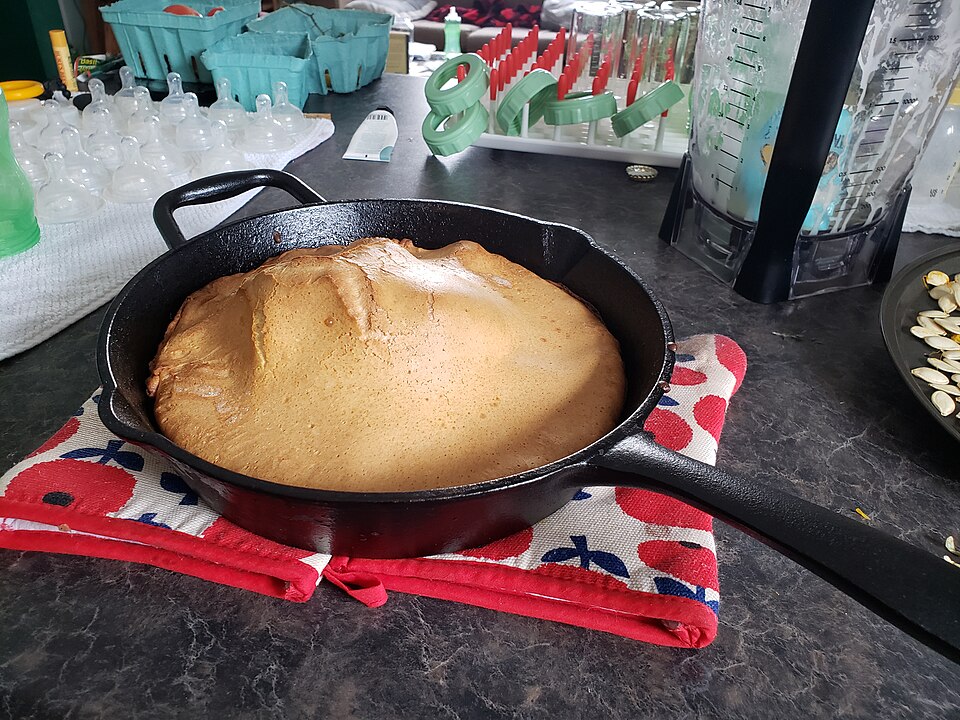
Photo: Taylorderek, CC BY-SA 4.0, via Wikimedia Commons.