Meal Prep Containers: Glass, Plastic and What Actually Lasts
Glass or plastic? A buying guide to meal prep containers: lids, sizes, microwave and freezer safety, stains and how to pick a set that holds up.
Saffron CrustEP-101
We may earn a commission if you buy through links in this guide. How we make money
Pyrex Simply Store glass food storage set
Glass resists stains and odors and goes from fridge to oven, and the snap-on lids suit most weekly prep.
For most people, glass containers last longest and stay cleanest, while plastic wins on weight and price. The part that fails first in either type is the lid, so choose a set with lids that seal well and are easy to replace.
This guide compares glass, plastic and a few other materials so you can pick a set for the week ahead.
Glass vs plastic at a glance
| Feature | Glass | Plastic |
|---|---|---|
| Staining and odors | Resists both | Tomato sauce and curry can stain |
| Microwave | Yes, remove the lid first | Only if labeled microwave-safe |
| Oven | Often yes, check the label | No |
| Weight | Heavy | Light |
| Breakage | Can chip or shatter if dropped | Rarely |
| Lifespan | Container lasts for years; lids wear out | Cracks and warps over time |
| Cost | Mid-range | Budget |
Glass is the better value if you cook at home often and want containers that last. Plastic suits lunch boxes you carry daily, since the weight adds up.
What to look for
Lids that seal
A lid with a silicone gasket and four locking tabs holds liquid in and keeps food fresher. Snap-on lids without gaskets are fine for dry food but leak with soup and sauce. See if replacement lids are sold on their own.
Microwave, freezer and dishwasher safety
Look for the symbols on the bottom or in the product listing. Most glass is dishwasher safe, but lids often need the top rack. Do not move very cold glass straight into a hot oven or under hot water, because thermal shock can crack it. Let it sit on the counter first.
Size and shape
- Single compartment, 3 to 4 cups: fits a main dish with a side.
- Two or three compartments: keeps food from mixing; easy for portion control.
- Small 1-cup containers: for sauces, dressings and snacks.
- Rectangular over round: stacks better in a fridge.
Real options to compare
- Pyrex Simply Store (glass): widely sold and easy to find in sets.
- Glasslock or Snapware glass sets: locking lids, a good choice for soups and sauces.
- Rubbermaid Brilliance (plastic): clear, leakproof lids at a lower price.
- Bentgo-style compartment boxes: light and designed for lunches.
- Stainless steel containers: tough and plastic-free, but not microwave-safe.
How to make a set last
- Let hot food cool a little before sealing the lid, which reduces warping and trapped steam.
- Hand-wash lids if the gasket looks worn, and pull out the gasket now and then to clean underneath.
- Avoid abrasive scrubbers on plastic, which scratch and hold stains.
- Rub a stained plastic container with a paste of baking soda and water, then leave it in sunlight.
- Replace any plastic that is cracked, cloudy or warped.
Food safety basics
Cooked food keeps best when you cool it quickly and refrigerate it within about two hours. Most guidance from food safety agencies says to eat refrigerated leftovers within three to four days, so a five-day prep plan works best if you freeze the last meals. Label each container with the date so you do not have to guess. Reheat food until it is steaming hot throughout, and stir halfway through in the microwave so it heats evenly.
How many containers do you need?
Plan on one container per meal you prepare, plus a few extras. For five lunches, a set of five to seven mid-size containers works well. If you freeze portions, add a few freezer-safe ones with a bit of room at the top for expansion.
Prepping on a Sunday goes faster with a tool you trust; our guide to choosing an everyday chef's knife helps with the chopping, and the air fryer guide covers a quick way to cook a batch of protein.
The bottom line
Choose glass with a gasketed locking lid if you want a set that lasts for years and stays clean. Choose lightweight plastic if you carry lunch daily and want to keep costs low. Whichever you pick, test the lid fit first, because the lid is what usually gives out before the container does.
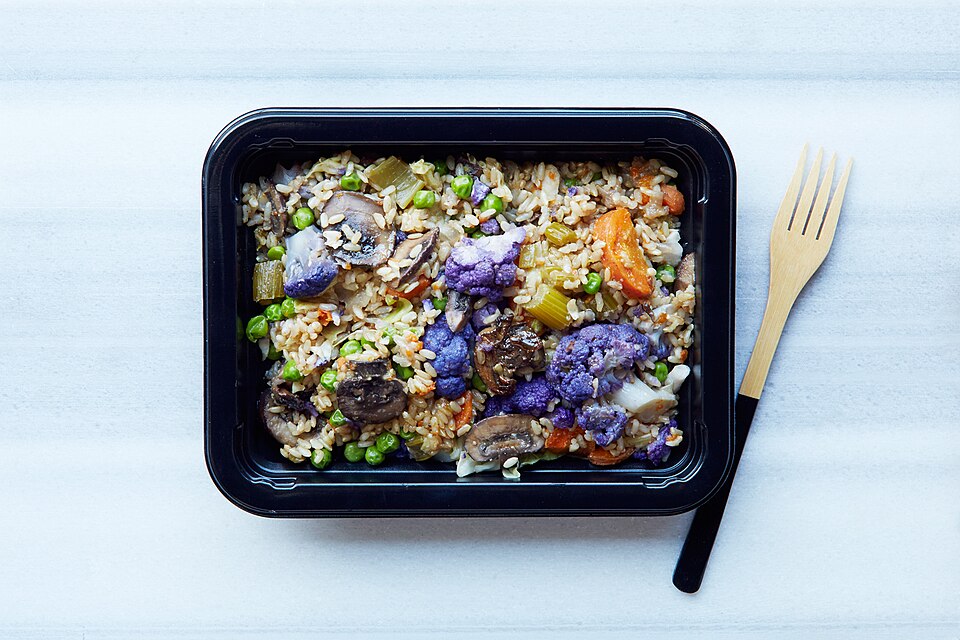
Photo: Ella Olsson from Stockholm, Sweden, CC BY 2.0, via Wikimedia Commons.