Choosing a Dog Bed That Lasts
Size, sleeping style, filling and fabric decide whether a dog bed lasts a month or a decade. Here is how to match one to your dog, and what to skip for chewers.
BiscuitEP-707
We may earn a commission if you buy through links in this guide. How we make money
An orthopedic memory-foam dog bed with a washable cover
It supports joints, suits most sleeping styles, and the cover goes in the washing machine.
A dog bed lasts when it matches the dog. A big, heavy sleeper flattens a thin pad in weeks. A chewer shreds a soft bed in an afternoon. A senior dog with stiff joints needs more support than a puppy does.
Start with three facts about your dog: its size, how it sleeps, and whether it chews. Those three decide most of the choice.
Size comes first
Measure your dog from nose to base of the tail while it is lying in its usual sleeping pose, then add 8 to 12 inches. A dog that sprawls needs a flat, wide mat. A dog that curls up can use a smaller bed with raised sides. If your dog is between sizes, go up.
Match the bed to how your dog sleeps
- Curlers like bolster or nest beds with raised edges. The sides give them something to lean on.
- Sprawlers want a flat mattress-style bed with room to stretch out.
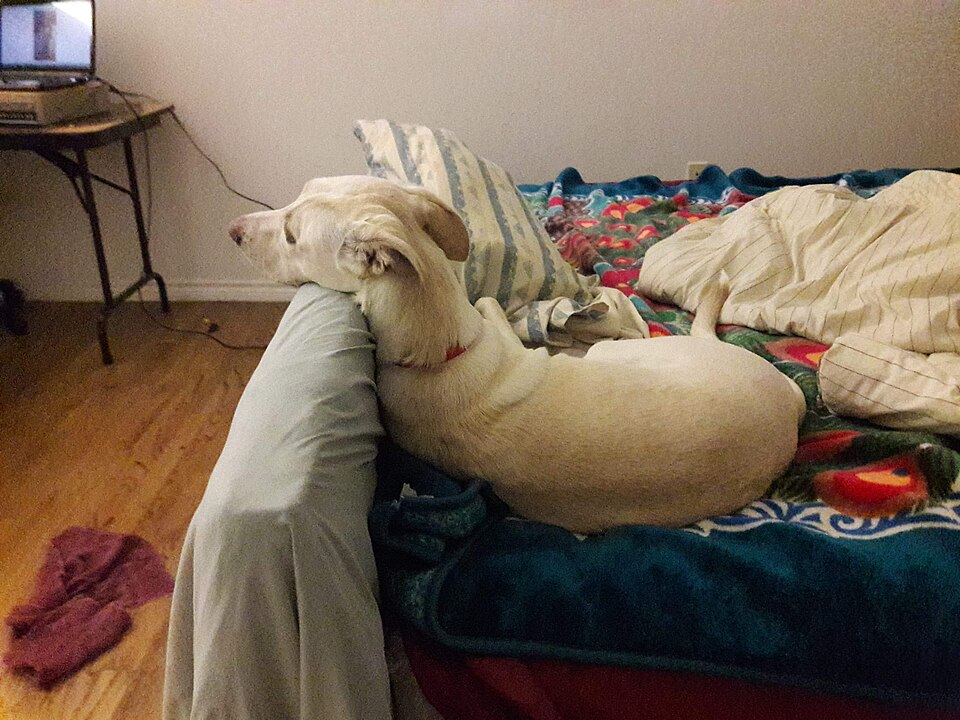
- Head-proppers often prefer a bolster where they can rest their chin.
- Heat seekers and hot sleepers differ. Thick fleece suits cold-loving dogs; a raised mesh cot lets air flow for dogs that run warm.
Fillings and fabrics
| Type | Good for | Drawback |
|---|---|---|
| Memory foam | Seniors, large breeds, achy joints | Heavier, costs more |
| Polyester fiberfill | Small dogs, young dogs | Flattens over time |
| Raised mesh cot | Hot climates, outdoor use | Less cushion |
| Chew-resistant fabric (ballistic nylon or heavy canvas) | Chewers | Stiffer feel, no bed is truly chew-proof |
| Bolster or donut bed | Curlers, anxious dogs | Too small for sprawlers |
Check for two features on any bed: a removable, machine-washable cover, and a waterproof liner under the cover. Accidents happen, especially with puppies and older dogs.
Some well-known lines to look at
- Casper dog bed: memory-foam core with a removable cover.
- Big Barker orthopedic bed: a thick foam bed aimed at large dogs.
- Furhaven bolster and orthopedic beds: a budget to mid-range line with many sizes.
- KONG chew-resistant beds: built with tougher fabric for dogs that chew.
- Coolaroo raised cot: a raised mesh cot for warm weather.
If your dog chews
No bed survives a determined chewer. Look for tough fabric, hidden zippers, and low-profile designs that give little to grab. Do not let a dog eat stuffing or fabric, since swallowed material can cause a blockage. If your dog keeps tearing beds apart, talk with your vet or a trainer. Chewing can come from boredom, anxiety or teething, and it is worth finding the cause. A chewer may do better with a raised cot, or a simple folded blanket until the habit fades.
Care that makes a bed last
- Wash the cover every couple of weeks, or more often if your dog sheds or has skin issues. Use a fragrance-free detergent.
- Vacuum the foam to remove hair and dirt, and air it in the sun when you can.
- Rotate or flip it if the design allows, so the filling wears evenly.
- Replace it when the foam no longer springs back or the bed smells even after washing.
Dogs that shed heavily can make a bed hard to keep clean, so see our guide to grooming tools for shedding season. If you travel with your dog, our road trip gear list includes travel beds.
Where to put the bed
Location matters as much as the bed. Most dogs like to sleep near the family, so a corner of the living room or the bedroom often works better than a quiet back room. Keep the bed away from drafts, heating vents and direct sun. Older dogs may need a bed on a rug or with a low entry, so they do not have to step up. A second bed in another room is a cheap way to give your dog a choice. If your dog ignores a new bed, try placing a worn T-shirt on it, or give it a week to get used to the new spot before you decide it is a miss.
The bottom line
Measure your dog, think about how it sleeps, and choose a bed with a washable cover. Memory foam suits seniors and big dogs. Tough fabric helps chewers. A good bed costs more up front but usually saves you from buying a new one every few months.
Photo: Usernet123u, CC BY-SA 4.0, via Wikimedia Commons.