Hair Dryers Decoded: Ionic, Ceramic and Tourmaline
Ionic, ceramic and tourmaline are the words on every hair dryer box. Here is what each one means, what to weigh instead, and how to match a dryer to your hair type.
Rose ClayEP-412
We may earn a commission if you buy through links in this guide. How we make money
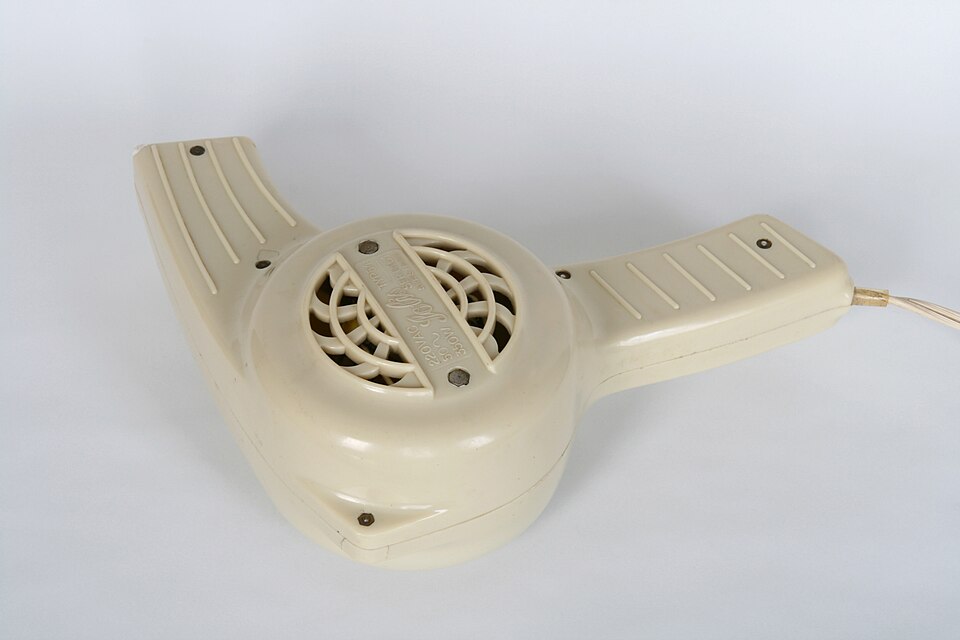
Ionic ceramic hair dryer with multiple heat settings
It combines the most useful features, with heat settings you can lower for fine or damaged hair.
Ionic, ceramic and tourmaline are labels for how a dryer heats and how it handles static. They can help, but they matter less than wattage, heat settings and airflow. If you read only one part of this guide, read the section on what to check first.
What the three words mean
Ceramic
A ceramic heating element warms up evenly and gives off steady heat, so there are fewer hot spots. For many people that means gentler drying, which is a plus for fine, color-treated or damaged hair. It is common at nearly every price.
Ionic
An ionic dryer releases negatively charged ions. The idea is that these ions break up water droplets and cut static, so hair dries faster and looks smoother. Many people find it helps with frizz. It is most noticeable on thick or frizzy hair, and less so on short, fine hair.
Tourmaline
Tourmaline is a mineral, usually ground and mixed into the ceramic coating of the dryer. Makers say it boosts the ionic effect. The claim is plausible, but it is hard for a shopper to check, so treat it as a bonus and not a reason to pay much more.
What to check first
- Wattage. Around 1800 to 2000 watts is typical for a full-size dryer, and higher wattage tends to mean faster drying. Thick, long hair benefits most.
- Heat and speed settings. Look for at least two or three heat levels and two speeds. A cool shot button sets your style.
- Weight. A heavy dryer tires your arm. Under about a pound and a half feels light for daily use, but check what suits you.
- Cord length. A longer cord gives you room to move. Eight feet is a good target.
- A removable filter. It catches lint and keeps the motor running well. Clean it regularly.
Match the dryer to your hair
| Hair type | Look for | Tip |
|---|---|---|
| Fine or thin | Lower heat settings, ceramic element | Use medium heat so you do not overdry |
| Thick or coarse | High wattage, ionic | Dry in sections to cut time |
| Curly or coily | A diffuser attachment, low airflow | Use low speed to avoid frizz |
| Color-treated or damaged | Adjustable heat, ceramic or ionic | Use a heat protectant spray |
Attachments and extras
- Concentrator nozzle. A narrow nozzle that focuses air for smoother, more precise styling. Most dryers include one.
- Diffuser. A wide, finger-style attachment that spreads air. Useful if you air-dry curls partway and want shape.
- Cool shot button. Sets your style after warm drying.
Some well-known lines
- Conair and Revlon, widely available and budget-friendly, often with ionic and ceramic features.
- BaByliss Pro, a salon-style line known for solid motors.
- T3, a mid-to-premium option with ionic and tourmaline features.
- Dyson Supersonic and Shark HyperAir, premium dryers that use high-speed motors and often come with several attachments.
A premium dryer can be quieter and lighter, but it is not required for good results.
Use it gently
- Towel-dry first, gently, instead of rubbing.
- Apply a heat protectant to damp hair.
- Keep the dryer moving and a few inches from your hair.
- Finish with the cool setting.
If you notice scalp irritation, breakage or hair loss, talk to a dermatologist or your doctor. A dryer will not fix those issues. For a wider look at a simple routine, see our simple three-step skincare routine, and our picks for a self-care night in.
What price buys you
Budget dryers, often under $30, usually dry hair fine and are a sensible choice if you use one a few times a week. Mid-range models add better motors, more settings and a longer life. Premium dryers add lighter bodies, smarter heat control and attachments. If you blow-dry every day, a mid-range or premium dryer can be worth it. If you dry your hair once in a while, a basic ionic ceramic model is plenty.
The bottom line
Do not overpay for a buzzword. A dryer with a ceramic element, an ionic option, 1800 or more watts and several heat settings does the job for most people. Fine hair needs gentle heat, thick hair needs power, and curls benefit from a diffuser. Spend more only if weight, noise or the extra attachments matter to you.
Photo: Till Niermann, CC BY-SA 3.0, via Wikimedia Commons.