A Beginner's Guide to Loose-Leaf Tea
Loose-leaf tea is easier than it looks. Here are the main tea types, the gear you actually need, and a simple method for a good cup, with water temperatures and steep times.
CreamsicleEP-633
We may earn a commission if you buy through links in this guide. How we make money
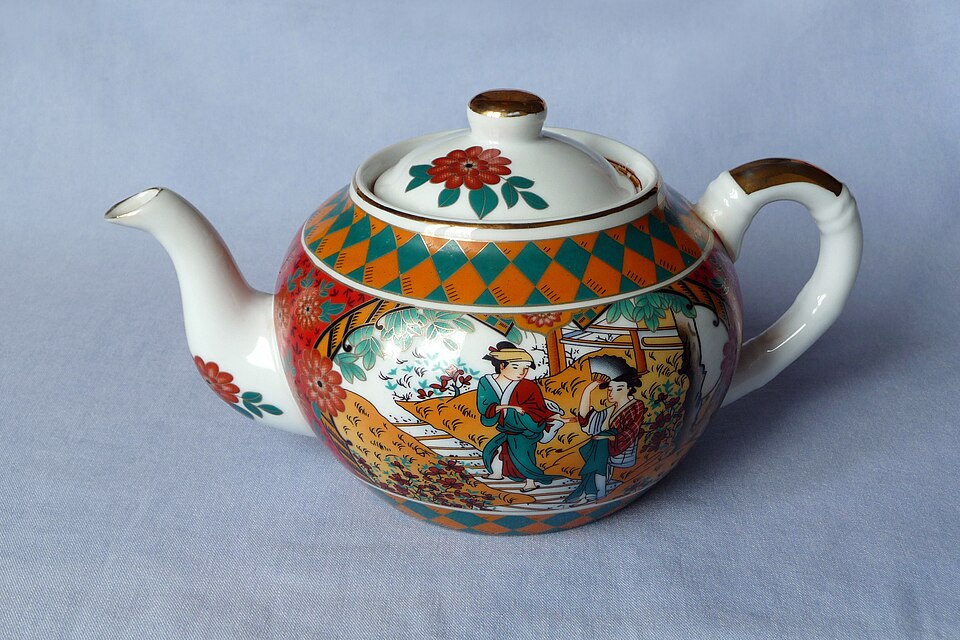
Basket infuser mug or a small teapot with a removable infuser
It lets the leaves open up fully, and it is the cheapest, simplest way to start.
Loose-leaf tea is whole or broken tea leaves sold without a bag. It usually has more flavor and range than what is in a standard tea bag, because the leaves have room to open up in the water. You do not need special tools to start, only leaves, hot water, a strainer and a timer.
The main kinds of tea
True tea all comes from one plant. The differences come from how the leaves are processed.
- Green tea. Lightly processed, grassy to sweet. Easy to over-steep, which makes it bitter.
- Black tea. Fully oxidized, bold and malty. Takes milk and sugar well. English Breakfast and Assam are common.
- Oolong. Partly oxidized, from floral and light to roasty. Often can be steeped several times.
- White tea. Minimal processing, delicate and soft.
- Herbal tisanes. Mint, chamomile, rooibos and the like. These are not made from the tea plant and are usually caffeine-free.
Water temperature and steep time
This is the part that changes your cup the most. The numbers below are general starting points, so check the label on your tea, since makers vary.
| Tea | Water temperature | Steep time |
|---|---|---|
| Green | About 170 to 180 F | 2 to 3 minutes |
| Black | Just off the boil, about 200 to 212 F | 3 to 5 minutes |
| Oolong | About 190 to 205 F | 3 to 5 minutes |
| White | About 170 to 185 F | 2 to 4 minutes |
| Herbal | Boiling | 5 to 7 minutes |
No thermometer? Let boiled water sit for a minute or two before pouring over green or white tea.
The gear you actually need
- An infuser or teapot. A basket infuser that sits in your mug is the easiest start. A small teapot with a removable infuser works for sharing.
- A kettle. Any kettle works. A kettle with temperature settings is helpful if you drink a lot of green tea.
- A timer. Your phone is fine.
- A teaspoon. Most teas use about one level teaspoon, or a little more for light, bulky leaves, per 8 ounces of water.
That is the whole kit. Gaiwans, scales and bamboo trays are fun later, but not needed for a good cup.
How to brew a good cup
- Heat fresh, cold water. Filtered water often tastes cleaner if your tap water has a strong flavor.
- Warm the mug or pot with a splash of hot water.
- Add about one teaspoon of leaves per cup to the infuser.
- Pour water at the right temperature and start your timer.
- Remove the leaves when time is up. Do not leave them in, or the tea turns bitter.
- Taste, and adjust next time: more leaf or time for stronger tea, less for lighter.
Buying and storing
Buy small amounts from a store with high turnover, and look for a harvest or packing date when one is listed. Store leaves in an airtight, opaque container away from light, heat and strong smells. Most teas taste best within a year, but this varies, so follow the seller's guidance. Sampler sets let you try several types before you commit to a full bag.
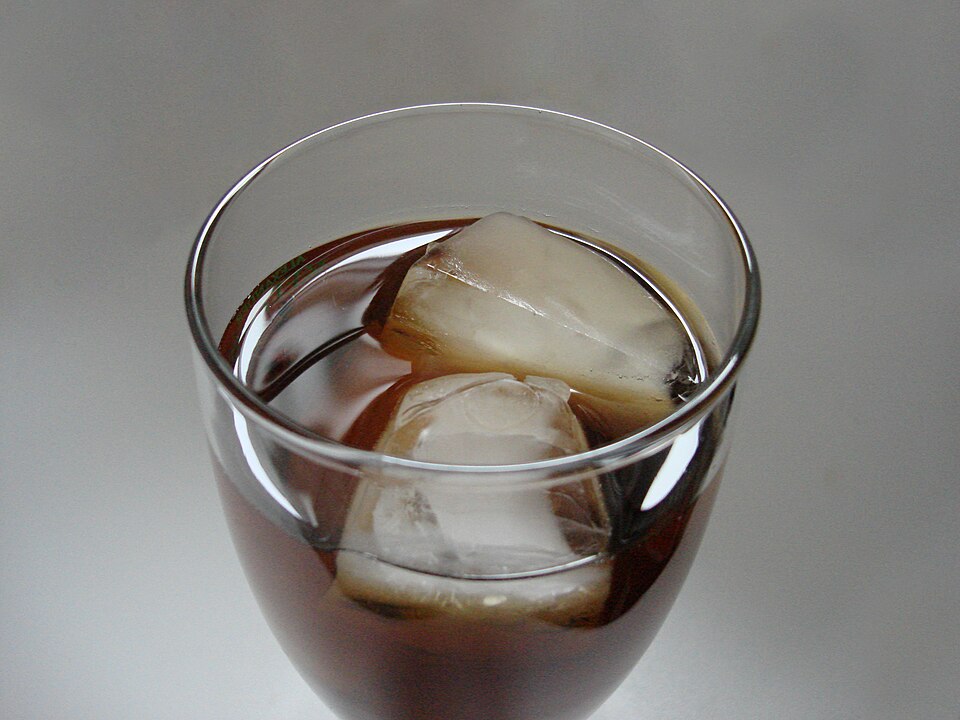
Iced, too
Loose leaf also makes excellent iced tea. Our guide to cold brew and iced tea at home covers the methods. If you want a quick, flavored version with no brewing, the mixes at The Loaded Teashop are a different thing from loose-leaf, but fun for a sweet afternoon drink.
Re-steeping and experimenting
Many oolongs, and some green and white teas, give a good second or third cup from the same leaves. Add a little time to each steep. Black teas usually give less on a second pass. Once you know the basics, try changing one thing at a time, such as the water temperature, the amount of leaf or the steep length, and note what you taste. That is how you find your own best cup.
A note on caffeine
Black, green, oolong and white teas contain caffeine, usually less than coffee. If you are sensitive, pregnant or on medication, ask your doctor what suits you, and choose herbal tisanes for evenings.
The bottom line
Start with a basket infuser, a kettle and a sampler of two or three tea types. Learn the temperature and time for each, and keep the leaves fresh and dry. If a cup tastes bitter, use cooler water or a shorter steep. That small adjustment fixes most bad cups.
Photo: George Chernilevsky, Public domain, via Wikimedia Commons.