Fitness Trackers: The Features You'll Actually Use
A researched guide to fitness trackers: which features matter, which are padding, and how to pick between a band and a smartwatch for your habits.
Trail MossEP-526
We may earn a commission if you buy through links in this guide. How we make money
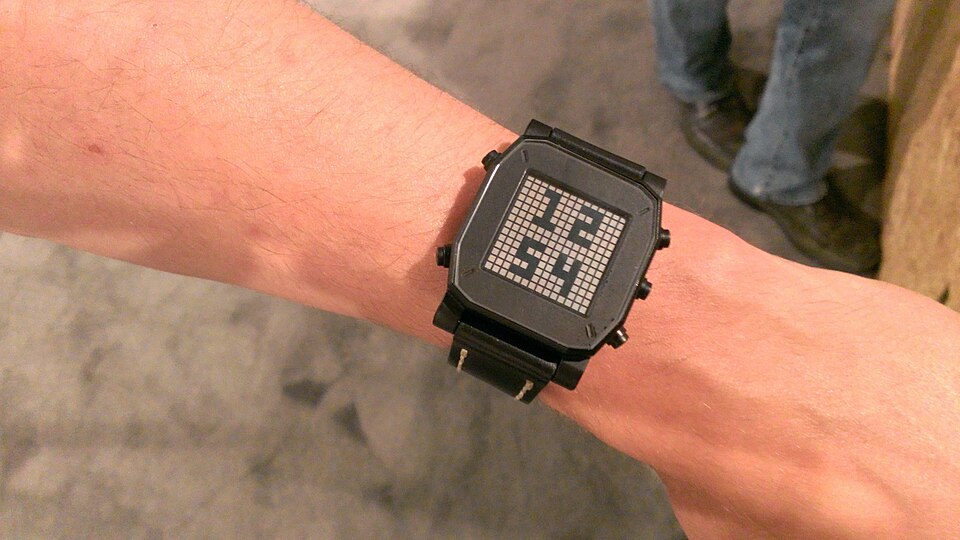
Fitbit Charge-style fitness band
A slim band covers steps, heart rate, sleep and workouts with multi-day battery life, which is what most people need.
Most fitness trackers do the same core things: count steps, read heart rate, log sleep and track workouts. The differences are screen, battery life, GPS and how much of your phone they replace.
Before you pick one, decide which three or four features you will check every week. The rest are extras.
The features most people use
- Step and activity count. The basic tool for nudging yourself to move more.
- Heart rate. Useful for seeing workout intensity and resting trends over time. Wrist sensors give estimates, not medical readings.
- Sleep tracking. Shows how long you slept and rough sleep stages. Treat the stage detail as approximate.
- Workout modes. Walking, running, cycling and strength sessions with timers and summaries.
- Notifications. Calls and messages on your wrist, handy when your phone is in a bag.
Features worth paying more for
- Built-in GPS. Maps runs and rides without your phone. If you run or cycle, it saves carrying a phone. Without it, the tracker borrows your phone's GPS.
- Battery life. Slim bands often last days to over a week; full smartwatches often need charging every day or two. Check the maker's stated battery figures.
- Water resistance. Look for a rating that suits swimming if you swim, usually listed as 5 ATM.
- A bright, readable screen. AMOLED screens look sharp outdoors, though they use more power.
Features that are mostly padding
Some features sound impressive but see little real use for a typical person.
- Stress scores and energy scores. These are loose estimates built from heart rate data. They can prompt a break, but they are not exact.
- Dozens of sport modes. You will likely use three.
- Blood oxygen readings. Consumer sensors are not meant for diagnosis. If you have a health concern, talk to a doctor.
- On-wrist app stores. Fun at first, rarely used after a month.
Band or smartwatch?
| Type | Examples | Good for | Tradeoff |
|---|---|---|---|
| Slim fitness band | Fitbit Charge, Xiaomi Smart Band, Garmin Vivosmart | Steps, sleep, long battery | Small screen, fewer apps |
| Fitness-focused watch | Garmin Forerunner, Coros | Runners and cyclists who want GPS and training plans | Costs more; plain styling |
| Full smartwatch | Apple Watch, Samsung Galaxy Watch, Google Pixel Watch | Phone features plus fitness | Daily charging; ties you to a phone ecosystem |
One compatibility note: Apple Watch works only with iPhone, while Galaxy and Pixel watches are tuned for Android. Fitbit and Garmin bands work with both.
Fit, comfort and straps
A tracker only helps if you wear it, including at night. Look at the weight and the strap. Silicone straps are easy to rinse after a sweaty workout, while fabric and leather feel nicer at a desk. Most models let you swap straps, so a spare in a second material costs little. Check the case size against your wrist too, since a bulky watch can be uncomfortable in bed and may keep you from wearing it for sleep tracking.
How to choose in four steps
- List what you want to track. Steps and sleep need less than marathon training.
- Check phone compatibility, since this rules out some models at once.
- Pick your battery tolerance. If charging nightly annoys you, choose a band or a Garmin-style watch.
- Set your budget. Bands tend to be budget to mid-range; smartwatches mid-range to premium.
If you are putting a tracker together with a running habit, our guide to running shoes covers the other half of the setup. And for small apartments, home workout gear pairs well with a tracker that logs strength sessions.
Real options by use
- Fitbit Charge line: slim, good for steps, sleep and workouts.
- Garmin Forerunner line: a runner's choice with GPS and training tools.
- Apple Watch: best for iPhone users who want a full smartwatch.
- Xiaomi Smart Band: a budget band with the basics.
The bottom line
Buy for the habit, not the spec sheet. A slim band covers steps, sleep and workouts for most people. Add GPS if you run or ride, and choose a full smartwatch only if you want phone features on your wrist. A tracker helps you notice patterns, but it does not replace medical advice.
Photo: Pete Brown from Gambrills, MD, USA, CC BY 2.0, via Wikimedia Commons.