Water Bottles and Hydration Packs for Day Hikes
How much water to bring on a day hike, and how to choose between a bottle, a bladder pack and a soft flask. A plain guide to features and trade-offs.
Trail MossEP-526
We may earn a commission if you buy through links in this guide. How we make money
Insulated stainless steel bottle, 32 oz
It is tough, keeps water cool on warm trails and has no bladder to clean or leak.
A common rule of thumb is about half a liter of water per hour of moderate hiking, more in heat, at altitude or on steep climbs. That is a starting point, not a rule. Your body, the weather and the route all change the number, so bring more than you think you need and read local trail advice.
How you carry that water matters almost as much as how much. Here are the main choices.
Water bottles
The simplest option. A bottle goes in a side pocket or a bag, and you know exactly how much is left.
- Insulated stainless steel. Keeps water cold for hours and survives drops. Heavier than plastic. Well-known lines include Hydro Flask, Yeti and Klean Kanteen.
- Plastic (BPA-free). Light and cheap. Nalgene is a familiar example. It is a good pick for short hikes or if weight is the main concern.
- Collapsible soft flasks. Roll up when empty, and some fit a front pocket on a pack. Good as a backup or for runners. They are harder to fill from a shallow stream.
If you want a bottle for every day and not only for the trail, our guide to insulated tumblers goes deeper into what keeps drinks cold.
Hydration packs
A hydration pack is a small backpack with a water bladder inside and a tube that runs to a bite valve near your mouth. You sip as you walk, without stopping or reaching for a bottle. This tends to make people drink more often.
Look for:
- Bladder size. 1.5 to 3 liters covers most day hikes.
- A wide opening. It makes filling, drying and cleaning easier.
- A tube with a shutoff valve. It stops leaks when the pack is stored.
- Storage for your essentials. Layer, snacks, first aid kit and phone.
Brands such as CamelBak, Osprey and Gregory make packs in this category.
The downside is care. Bladders need to be rinsed and dried after use, or they can develop a smell or mold. Leave the reservoir open and hang it to dry. Many people store it in the freezer between trips, though check what your maker says.
Bottle versus pack at a glance
| Bottle | Hydration pack | |
|---|---|---|
| Drinking on the move | Need to stop and reach | Sip from a tube |
| Checking how much is left | Easy | Harder |
| Cleaning | Simple | More work |
| Cold water | Insulated bottles excel | Insulated sleeves exist but are limited |
| Best for | Short and casual hikes | Long or hot hikes |
A simple combination
Many hikers carry both: a small pack with a bladder for sipping, and a bottle for mixing in electrolytes or for cold water at lunch. If you do one thing, carry a bottle in the pack as a backup. A bladder can fail, and a backup is worth the weight.
Extras worth thinking about
- A filter or purification tablets if the route has water sources you plan to use. Follow the maker's directions.
- Electrolyte tablets for long or hot days.
- A pack that fits well. Straps that carry weight on the hips make a loaded pack more comfortable.
Water is heavy, so plan the load. If you are building out your trail gear, our guide to home workout gear for small apartments is a useful read for the training days in between.
Signs you need to drink more
Thirst, a dry mouth, a headache or unusual tiredness on the trail are all cues to stop and drink. Do not wait until you feel awful. Sip steadily, drink at rest stops and eat a salty snack on long hikes. If you ever feel dizzy, confused or sick in the heat, rest in the shade and get help. Medical questions about hydration, especially if you have a health condition, belong with your doctor.
The bottom line
For short, easy hikes, a single insulated bottle is plenty. For long or hot days, a 2 to 3 liter hydration pack makes drinking easier, with a small bottle as backup. Bring more water than you think you need, and rinse the bladder after every trip.
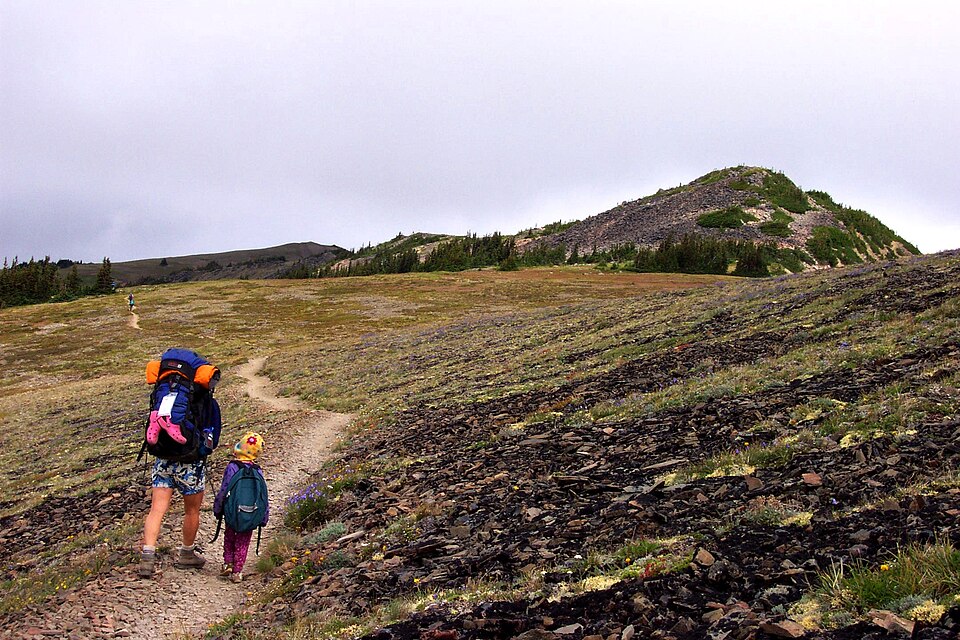
Photo: Olympic National Park, Public domain, via Wikimedia Commons.