Running Shoes: How to Find Your Fit
Fit matters more than brand or price. Here is how to size running shoes, what cushioning and drop mean, and which well-known lines suit different kinds of runners.
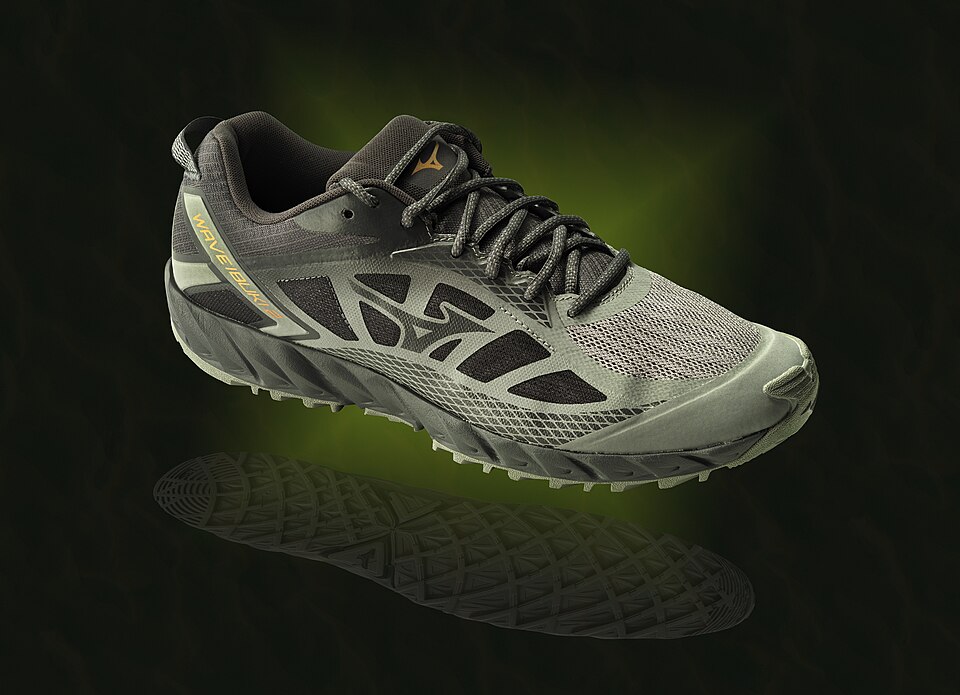
Trail MossEP-526
We may earn a commission if you buy through links in this guide. How we make money
Brooks Ghost neutral running shoe
A long-running, balanced daily trainer with moderate cushioning that suits many foot shapes.
The right running shoe is the one that fits your foot and feels comfortable from the first mile. Brand, color and price come after. A shoe that is a little wrong in the toe box can turn a short run into blisters.
This guide covers how to check fit, the terms on the box, and a few well-known lines to start your search.
Start with fit, not features
Feet swell during a run and are larger later in the day, so try shoes on in the afternoon or evening. Wear the socks you run in. Then check four things:
- Length. Leave about a thumb's width between your longest toe and the front of the shoe. Many runners need a half size up from their everyday shoes.
- Width. The shoe should hold your foot without squeezing. Toes should be able to spread. Many brands sell wide and narrow versions.
- Heel. The heel should stay put when you walk and jog. A little slip is a sign to try a different size or model.
- Midfoot. The laces should snug the top of your foot without pressure points.
If a running specialty store is nearby, many will watch you walk or jog and suggest shoes. Even if you buy online later, that trip tells you your size and shape.
Terms you will see on the box
- Neutral vs. stability. Neutral shoes have an even build. Stability shoes add support to limit inward rolling of the foot. If you are not sure which you need, neutral is the common starting point, and a podiatrist or running store can advise if you have pain.
- Cushioning. More cushioning feels softer and is common in shoes for long, easy runs. Less cushioning feels firmer and more responsive.
- Drop. This is the height difference between heel and toe, measured in millimeters. Many daily trainers sit between 8 and 12 mm. Lower drops feel flatter and can take time to get used to.
- Road vs. trail. Trail shoes have deeper lugs for grip and tougher uppers. Road shoes are lighter and smoother.
Well-known lines and who they suit
| Shoe line | Type | Suits |
|---|---|---|
| Brooks Ghost | Neutral daily trainer | Runners who want a balanced, familiar ride |
| Hoka Clifton | Max cushion, light | Runners who want a soft feel on long runs |
| ASICS Gel-Kayano | Stability | Runners who want extra support |
| New Balance Fresh Foam 880 | Neutral daily trainer | Runners who like a plush but steady shoe |
| Saucony Peregrine | Trail | Runners on dirt and uneven ground |
Models update every year or two, so the version you find may differ from reviews you read. The character of each line tends to stay similar.
Small choices that save money and feet
Buy last year's model when it goes on sale. Retailers clear older versions, and the changes between years are often small. If a shoe works for you, buying a second pair in the same model is a sensible move.
Rotate two pairs if you run often. It gives the foam time to recover between runs. Many runners replace shoes somewhere around 300 to 500 miles, or when the cushioning feels flat or you start to feel new aches. Those are rough guides, not hard rules.
Running is also easier when you have the right extras. A bottle or pack helps on long days, and our guide to water bottles and hydration packs applies to runs as well.
Breaking in a new pair
Do not wear brand-new shoes for a race or a long run. Wear them around the house, then on a short, easy run, and build up over a week or two. Watch for hot spots, which are early signs of rubbing, and adjust the lacing before they turn into blisters.
When to see a professional
If you have persistent foot, knee or shin pain, or a foot condition such as flat feet or bunions, talk to a doctor or podiatrist. Shoes can help, but they are not a medical treatment.
The bottom line
Try shoes on late in the day, leave room for your toes and choose the one that feels good right away. A neutral daily trainer like the Brooks Ghost is a sound first pair for many people, and a cushioned Hoka or a stability ASICS makes sense if you know you want that feel. Buy last year's model to save, and replace them when they go flat.
Photo: Petar Milošević, CC BY-SA 4.0, via Wikimedia Commons.