Bedding Basics: What Thread Count Really Tells You
Thread count is only part of the story. Fiber, weave and finish shape how sheets feel and last. Here is how to read a label and pick bedding for how you sleep.
Sage LinenEP-204
We may earn a commission if you buy through links in this guide. How we make money
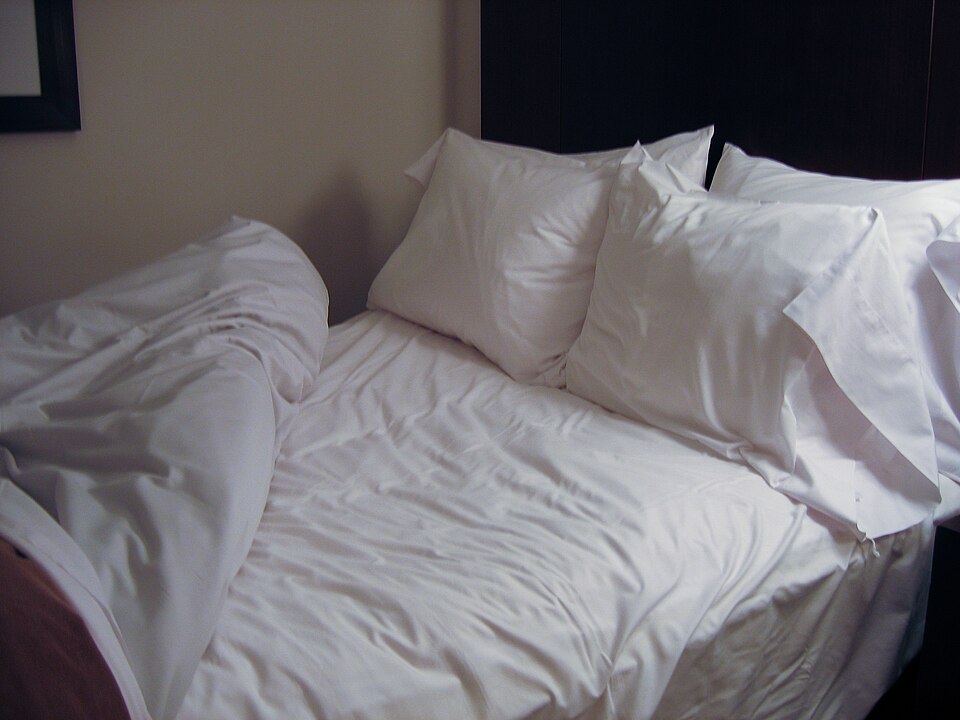
Long-staple cotton percale or sateen sheet set
Long fibers feel smooth and wear well; percale sleeps cool and sateen feels softer.
Thread count is the number of threads woven into one square inch of fabric. Shoppers treat a bigger number as better. It is not that simple. A good set of sheets depends on the fiber, the weave and the finish. A 300 thread count sheet made from long-staple cotton can feel better and last longer than a 1000 thread count set made from short fibers.
For most people, a thread count between about 200 and 500 is plenty. Above that, the extra numbers are often a result of how the yarn is counted, not of better fabric.
Why very high counts can mislead
You can only fit so many threads in a square inch of cloth. Some makers reach very high numbers by twisting several thin plies together and counting each ply separately. The result is a heavy, dense fabric, not necessarily a softer one. Treat anything over 600 with some suspicion and check the other details: the fiber type, the weave and the return policy.
Fiber matters more
- Cotton. The standard. Long-staple types, such as Egyptian, Pima and Supima, have longer fibers that give smoother, stronger yarn. Check that the label names the type. Be cautious with brands that claim "Egyptian cotton" without any detail.
- Linen. Made from flax. It gets softer with washing and breathes well, but it wrinkles and has a textured look.
- Microfiber. Polyester. Inexpensive and wrinkle-resistant, but it can trap heat for some sleepers.
- Bamboo-derived viscose or lyocell. Silky and drapey. Lyocell is usually made with a more closed-loop process than viscose; read the maker's description.
- Flannel. Brushed cotton for cold nights.
Weave changes the feel
| Weave | Feel | Best for |
|---|---|---|
| Percale | Crisp, light, matte | Hot sleepers; people who like a hotel-sheet feel |
| Sateen | Smooth, slightly glossy, warmer | People who like a silky feel |
| Twill | Soft, durable, drapey | All-round use |
| Jersey knit | Stretchy like a T-shirt | Casual comfort; students |
| Linen | Textured, airy | Warm climates |
Check the label for certifications
Some labels mention OEKO-TEX Standard 100, which tests textiles for certain harmful substances, or GOTS, which covers organic fibers. These do not tell you how soft a sheet is, but they do say something about what went into it. Verify any certification on the issuing body's website if it matters to you.
Pillows, covers and the layers on top
Sheets are one layer. A mattress protector keeps spills and sweat off the mattress and washes easily. A duvet with a washable cover is easier to keep fresh than a heavy comforter. Pick fill weight by season: lighter for summer, heavier for winter. A pillow that matches how you sleep, whether on your back, side or stomach, matters as much as the sheets.
Sizing and fit
Measure your mattress depth. Many modern mattresses are 14 inches or more, and standard fitted sheets may pop off. Look for "deep pocket" sheets that fit up to the depth you need. Also check whether the set includes the pillowcases you want, and whether the sheets come in the size you own: twin, full, queen, king or California king.
Options worth a look
Brooklinen sells percale, sateen and linen sheets in sets.
Parachute offers cotton percale, sateen and linen in a range of colors.
Cuddledown or Pottery Barn are common sources of flannel and heavier cotton sets.
Amazon Basics or IKEA sell budget cotton and microfiber sets for dorms and guest rooms.
Looking after sheets
- Wash new sheets before using them.
- Use warm water and mild detergent, and skip fabric softener, which can coat fibers.
- Do not overload the washer; sheets need room to move.
- Dry on a low to medium setting and take them out while slightly damp to cut wrinkles.
- Rotate between two sets so each lasts longer.
Think about the whole room
Sheets work best with the right pillows and lighting. For the rest of the room, see lighting a room in layers and laundry upgrades worth making this year, which can make washing bedding a bit less of a chore.
The bottom line
Ignore thread count claims above roughly 500. Look instead at the fiber, the weave and the label details. Choose percale if you sleep hot, sateen or flannel if you like warmth, and linen if you like a lived-in feel. Check the mattress depth before you order, and keep a second set so you can rotate them.
Photo: Liz Lawley, CC BY-SA 2.0, via Wikimedia Commons.