Houseplants That Survive Busy Owners
Five forgiving houseplants that tolerate missed waterings and dim rooms, plus a simple care routine and the pots and tools that make upkeep easier.
Sage LinenEP-204
We may earn a commission if you buy through links in this guide. How we make money
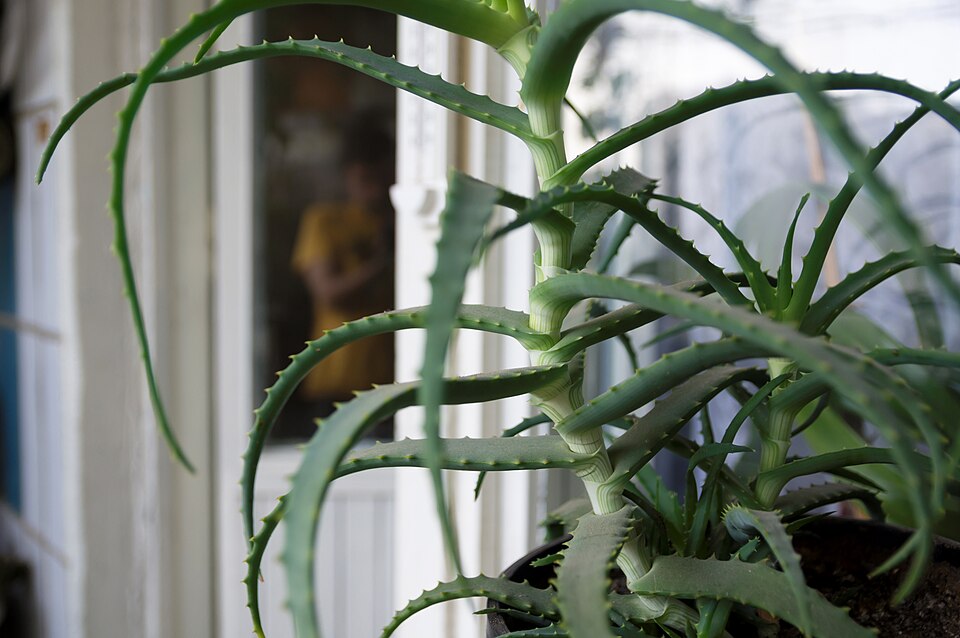
Snake plant (Sansevieria)
It handles low light and long gaps between waterings better than most houseplants.
Most houseplants die from too much care, not too little. A busy owner who forgets the watering can for two weeks is often safer than an eager one who waters every day. The trick is to choose plants built for neglect.
The five below store water in their leaves or roots, put up with ordinary room light, and recover from mistakes. None is truly unkillable, but each is forgiving.
Five tough plants
Snake plant
Stiff, upright leaves, often with pale stripes. It grows in low light and prefers to dry out fully between waterings. Every two to three weeks is often enough in a typical home.
ZZ plant
Glossy leaves and thick underground stems that hold water. It does fine in dim corners and shrugs off a missed month.
Pothos
A trailing vine that tells you when it is thirsty by drooping, then perks up after a drink. It grows in medium to low light, and cuttings root easily in a glass of water.
Spider plant
Arching striped leaves and small baby plants that dangle down. It likes bright, indirect light and is generally considered safe around cats and dogs, though check the ASPCA plant list for your pet.
Jade plant or other succulents
Thick leaves that store water. They want bright light, such as a sunny window, and very little watering. Easy if you have the light, harder if you do not.
Match the plant to your light
| Plant | Light | Watering rhythm | Pet note |
|---|---|---|---|
| Snake plant | Low to bright | Every 2 to 3 weeks | Toxic to pets if chewed |
| ZZ plant | Low to medium | Every 2 to 4 weeks | Toxic to pets if chewed |
| Pothos | Low to medium | Weekly or when droopy | Toxic to pets if chewed |
| Spider plant | Bright, indirect | Weekly, keep slightly moist | Generally pet-safe |
| Jade plant | Bright, sunny | Every 2 to 3 weeks | Toxic to pets if chewed |
Plant safety around pets varies. If you have a curious cat or dog, check each plant against a reliable pet-safety list, and call your vet if your pet eats something it should not.
A care routine that takes five minutes
- Check the soil before watering. Push a finger two inches into the soil. If it is dry, water. If it is damp, wait.
- Water thoroughly, then let it drain. Pour until water runs out the bottom, then empty the saucer. Sitting in water rots roots.
- Pick a weekly check-in day. Sunday morning works. Look at each plant, turn it a quarter so it grows evenly, and wipe dusty leaves.
- Feed lightly. A diluted houseplant fertilizer once a month in spring and summer is plenty. Skip winter.
Gear that makes it easier
- Pots with drainage holes. Terracotta pots breathe and dry faster, which helps if you tend to overwater.
- A soil moisture meter. A cheap probe that removes the guesswork. They can be inaccurate, so treat it as a hint, not a rule.
- Self-watering planters. A reservoir feeds the plant slowly. Good for pothos and spider plants, less so for succulents.
- A grow light. A small LED bulb in a lamp can help a dark room. Our guide to lighting a room in layers covers bulb basics.
Common mistakes
Yellow, mushy leaves usually mean too much water. Brown, crispy tips usually mean dry air or uneven watering. Leggy, stretched growth means too little light. Change one thing at a time and wait a couple of weeks to see the result.
If shelf space is tight, see our ideas for small-space storage, since a wall shelf can hold a row of small pots.
When you go away
Travel is the real test for a busy owner. Most of the plants above can sit untouched for a week or two. Water them well the day before you leave, move them out of direct sun so the soil dries slowly, and group them together to keep the air a bit more humid. For longer trips, ask a neighbor to water once, or set a pothos cutting in a jar of water as a backup. Do not drown the pot before you leave, since wet soil for two weeks invites rot. When you return, check the soil first and give each plant a drink only if it is dry.
The bottom line
Start with a snake plant or a pothos. Both forgive missed waterings and dim rooms. Use a pot with drainage, check the soil before you water, and resist the urge to fuss. A plant you ignore a little will often outlast one you smother.
Photo: Vyacheslav Argenberg, CC BY 4.0, via Wikimedia Commons.