E-Readers vs. Tablets for People Who Mostly Read
If most of your screen time is books, which one should you buy? A comparison of e-readers and tablets on eyes, battery, reading in sun, cost and everything else.
Cobalt SignalEP-318
We may earn a commission if you buy through links in this guide. How we make money
Kindle Paperwhite or Kobo Clara e-reader
A glare-free screen and a battery that lasts weeks make these the easiest way to read for hours.
If reading books is most of what you do, an e-reader is usually the better buy. It has a screen that looks like paper, a battery that lasts for weeks and nothing to distract you. A tablet is better if you also want video, apps, magazines in color or comics.
Here is how the two compare, so you can pick based on how you read.
The screen
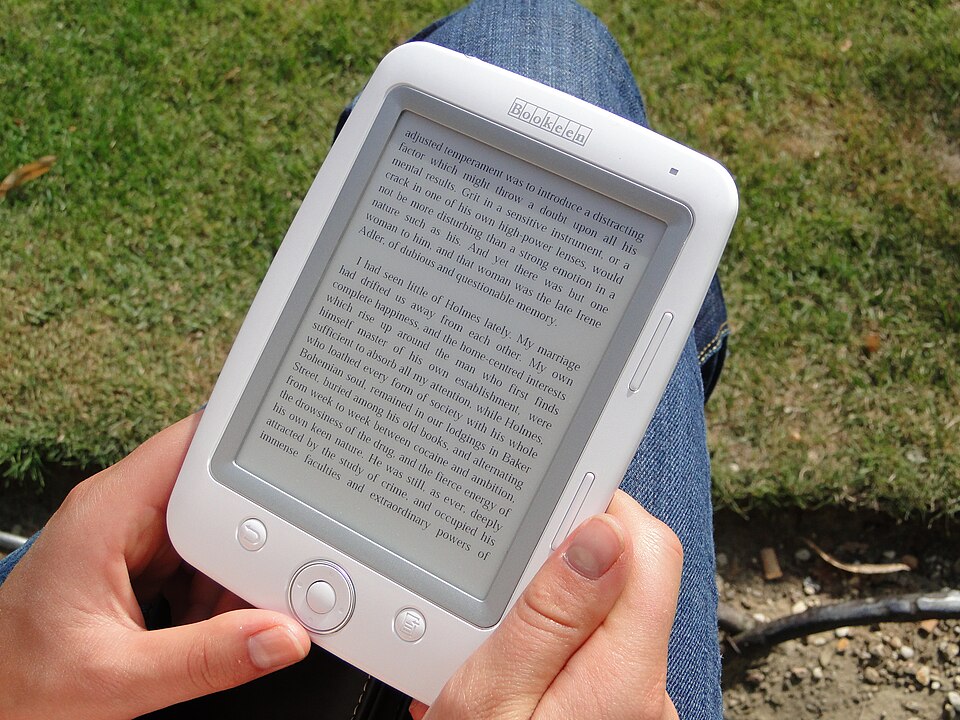
E-readers use e-ink, a display that reflects light the way paper does. It is easy to read in bright sun, with no glare, and many people find it comfortable for long sessions. Most models have a built-in front light for dark rooms, and many have a warm light setting for evening reading.
Tablets use backlit LCD or OLED screens. They are bright and colorful, and sharp for images, but they reflect glare in sunlight and can feel tiring for some people after hours of reading. A night mode and a lower brightness setting help.
Battery
E-readers only use power when the page changes, so a charge can last for weeks of normal reading. Tablets usually need charging every day or two with regular use.
Distractions
E-readers do one thing. No notifications, no social feeds, no videos. If you find yourself drifting to other apps on a phone or tablet, this alone may decide it for you. A tablet can do the same only through your own discipline, or a do-not-disturb mode.
Side by side
| E-reader | Tablet | |
|---|---|---|
| Reading in sunlight | Excellent | Glare, needs high brightness |
| Battery | Weeks | A day or two |
| Color | Mostly black and white | Full color |
| Apps and video | Very limited | Everything |
| Weight | Light, often under a pound | Heavier |
| Cost | Budget to mid-range | Mid-range to premium |
| Comics, magazines, PDFs | Fine on larger screens, slow on small ones | Strong |
The books themselves
Where you buy matters as much as the device. Kindle devices work with the Kindle store and Amazon's ecosystem. Kobo devices connect to the Kobo store and work with many public library apps. Many e-readers can also open standard files you already own, but check supported formats before you buy.
Library lending is worth a look. Many US libraries lend e-books through free apps, and some e-readers connect to them directly. Check what your local library supports.
Some well-known options
- Kindle (basic and Paperwhite). The popular choice, with a large store.
- Kobo Clara and Libra. Open to many file formats and library lending.
- Onyx Boox and PocketBook. Pricier, with more features, including some that run additional apps.
- Apple iPad or Samsung Galaxy Tab. The tablet picks, for people who want one device for everything.
Who should choose which
- Choose an e-reader if you read novels or nonfiction for long stretches, read outdoors or in bed, travel a lot or want a distraction-free device.
- Choose a tablet if you read comics, cookbooks, textbooks with color diagrams or magazines, or want one device for reading, streaming and email.
- Own both? That is a fine setup. Many readers pair an e-reader for books with a tablet or laptop for everything else. If you are choosing a laptop too, see our guide to choosing a budget laptop.
Travel and charging
An e-reader is a good travel companion because it is light and its battery lasts through a long trip. Pack it with a short cable, or use a small power bank. Our guide to the travel tech pouch covers the rest.
Storage and screen size
Books are small files, so even the lowest storage tier on an e-reader holds thousands of titles. Pay for more only if you load a lot of audiobooks or large comics. Screen size is the better question. Six to seven inches fits a pocket or a small bag and is easy to hold in one hand. Larger screens, around eight to ten inches, suit PDFs and manga. Check that the device has page buttons or a good touch layout, since you will turn thousands of pages on it.
The bottom line
If you mostly read books, buy an e-reader. It is easier on the eyes for many people, lasts for weeks on a charge and keeps you focused on the page. Buy a tablet if color and apps matter as much as reading. For most book lovers, a basic e-reader and the library app they already use is plenty.
Photo: Paulpaul, Public domain, via Wikimedia Commons.